What To Expect From An Emergency Vet Near Me
What To Expect From An Emergency Vet Near Me
When your dog or cat faces a sudden health crisis, every moment can feel overwhelming. Whether it’s a late-night accident, unexpected illness, or a sudden change in behavior, knowing where to turn for help is essential. If you’re searching for an “emergency vet near me” in Birmingham or the surrounding communities, Double Oak Mountain Animal Hospital is here to support you and your pet with compassion and expertise. In this guide, we’ll walk you through what to expect when you bring your pet to our hospital for urgent care, what signs mean your pet needs immediate attention, and how to prepare before arriving. Our goal is to help you feel informed and confident, so you can act quickly when your pet needs it most.
At Double Oak Mountain Animal Hospital, located at 5490 Highway 280 East, Birmingham, AL 35242, our veterinary team provides comprehensive small animal emergency services during our regular hours, with guidance and resources for after-hours emergencies as well. We’re committed to being your trusted partner whenever urgent situations arise, serving pets throughout Birmingham and neighboring communities. Let’s explore the key signs of an emergency, how our process works, and what you can do to keep your pet safe.
Recognizing the Signs: When Is It a Pet Emergency?
Not every unusual behavior or symptom means your pet needs to rush to the animal hospital, but some situations demand immediate veterinary attention. Understanding these warning signs can save precious time and may even save your pet’s life.
Some of the most urgent symptoms include unresponsiveness, collapse, seizures, persistent vomiting or diarrhea (especially if blood is present), difficulty breathing, and sudden weakness or inability to stand. You should also seek emergency care if your pet has experienced trauma such as being hit by a car, a fall from a significant height, or a bite from another animal. Additional signs that require rapid evaluation are pale gums, severe pain, bloated or distended abdomen, trouble urinating, or exposure to toxins.
For example, a dog that suddenly starts panting heavily, drooling, and cannot catch its breath may be experiencing heatstroke—a true emergency in Alabama’s warm climate. Similarly, a cat hiding and crying out when touched, especially if paired with vomiting, could signal a urinary blockage or internal injury. Trust your instincts; if you feel something is seriously wrong, it’s best to act quickly.
If you are ever unsure, our emergency veterinary care page has more details about what constitutes an emergency and when to call.
Why Emergencies Happen: Common Causes and Risk Factors
Emergencies in pets can arise from a wide range of situations, many of which happen unexpectedly. Accidents are a frequent cause, such as pets escaping the yard, ingesting something toxic, or being injured by another animal. Birmingham’s active pet community and the region’s outdoor lifestyle mean dogs and cats are often exposed to potential hazards, from wildlife encounters to exposure to garden chemicals or hot pavement in the summer.
Underlying medical conditions can also trigger emergencies. Heart disease, diabetes, epilepsy, or severe allergies may cause sudden symptoms even in pets that seem healthy. Age plays a role as well; older pets are more vulnerable to sudden illness, while younger animals may be more likely to get into mischief or ingest foreign objects.
Environmental factors should not be underestimated. Heatstroke is a particular concern in Alabama’s humid summers, especially for brachycephalic (short-nosed) breeds like Bulldogs or Persians. Cold snaps can also cause hypothermia in pets left outside. Toxin exposure is another significant risk; common culprits include chocolate, grapes, certain houseplants, rodent poisons, and even some medications meant for humans.
By understanding these risks, pet owners can take steps to reduce the likelihood of emergencies, but it is impossible to prevent every crisis. That’s why knowing what to do and where to go is so important.
What Happens When You Arrive: The Emergency Vet Process
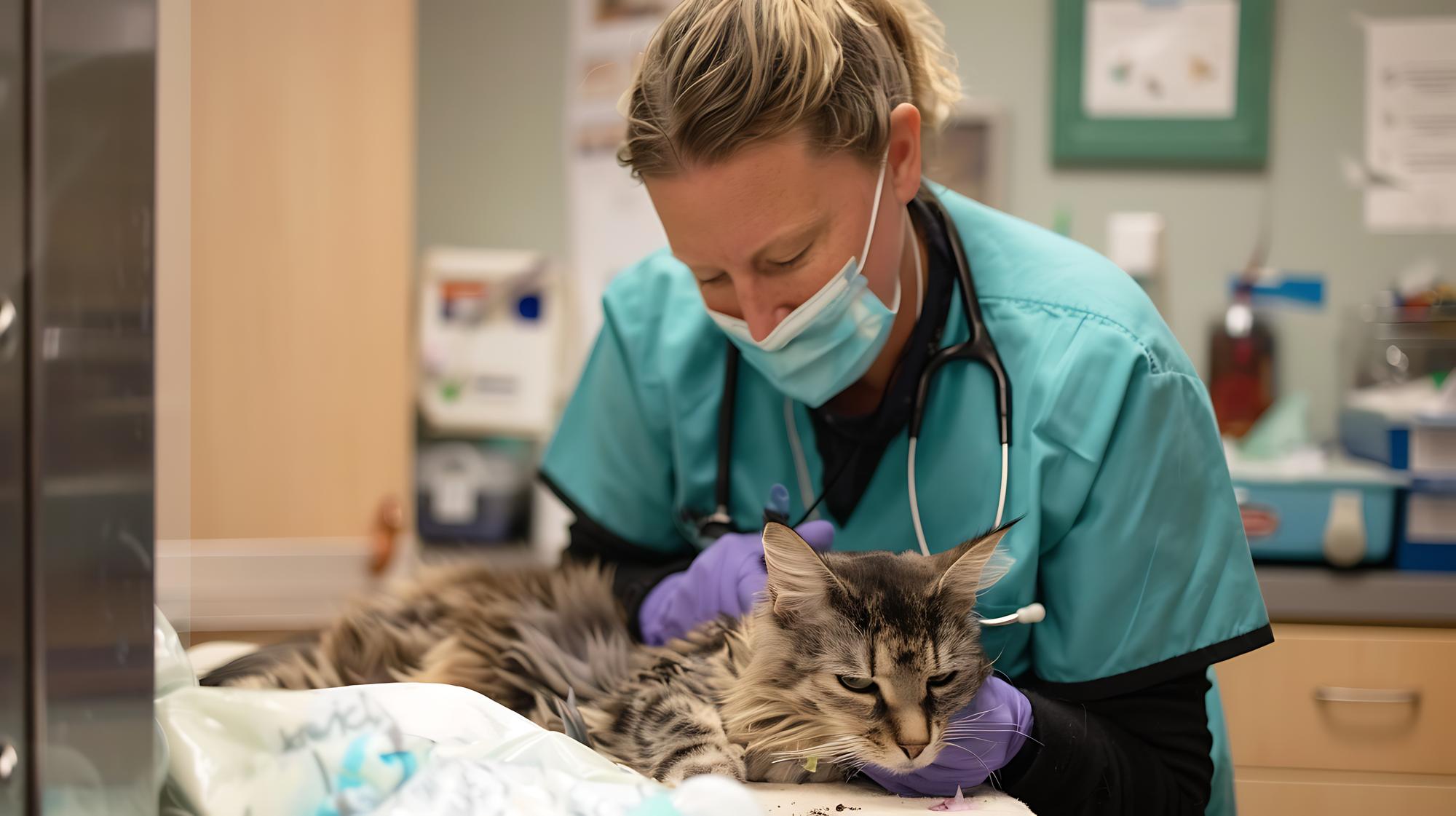
If you find yourself needing an emergency vet near me in Birmingham, knowing what to expect at Double Oak Mountain Animal Hospital can provide comfort and clarity. When you arrive at our hospital with your dog or cat, our reception team will greet you and quickly assess the urgency of your pet’s condition. In true emergencies, pets are triaged immediately to ensure those in life-threatening situations receive care as soon as possible.
After this initial assessment, one of our veterinarians will perform a thorough examination. Depending on your pet’s symptoms, diagnostics such as bloodwork, digital radiology, or ultrasound may be recommended to determine the underlying issue. For example, a dog with labored breathing may receive chest X-rays, while a cat that ingested a foreign object may need abdominal imaging.
Treatment approaches vary based on the diagnosis. Your pet may require oxygen therapy, intravenous fluids, medication, wound care, or surgery for more severe injuries. Our veterinary professionals will discuss all findings and treatment options with you, keeping you informed every step of the way. Throughout the process, your pet’s comfort and safety are our top priorities.
If your pet’s condition is not immediately life-threatening but still requires urgent attention, we may recommend our urgent veterinary care services, which are designed to address problems that can’t wait for a routine appointment but aren’t true emergencies.
What You Can Do: Preparing for a Veterinary Emergency
While emergencies are always stressful, a few simple steps can help you act quickly and effectively if your pet needs urgent care. Keep your veterinarian’s phone number, the address, and directions to 5490 Highway 280 East, Birmingham, AL 35242 readily accessible. In a crisis, call us at (205) 991-5446 to let us know you’re on your way; our team can help guide you on what to do next and prepare for your arrival.
If your pet is injured, approach them calmly and gently, using a towel or blanket for support if needed. Avoid putting yourself at risk, as even the most loving pets may bite or scratch when frightened or in pain. Do not try to treat injuries or induce vomiting unless specifically instructed by a veterinarian, as some home remedies can make matters worse.
Gather any relevant information for our team, such as the time of onset, potential toxin exposure, or medications your pet is taking. If your pet ingested something, bring the packaging or a picture of the substance if possible. These details help us act quickly and choose the safest treatments.
Finally, consider preparing a pet emergency kit for your home. This might include important phone numbers, a copy of your pet’s medical records, a leash or carrier, and basic first aid supplies. Preparation can make a big difference when seconds count.
When to Seek Veterinary Care: Acting Without Delay
Knowing when to seek professional help can be the difference between life and death for your pet. If your dog or cat is experiencing unresponsiveness, difficulty breathing, severe bleeding, persistent vomiting or diarrhea, seizures, sudden collapse, or symptoms of poisoning, do not wait. Bring your pet to Double Oak Mountain Animal Hospital right away for immediate evaluation.
For less severe but still urgent issues, such as limping, minor wounds, or persistent coughing, it is still important to schedule a prompt appointment so our team can prevent the problem from worsening. Our hospital offers flexible hours, including evenings and weekends, to accommodate urgent needs. If you’re ever unsure whether your pet’s symptoms are an emergency, call us and our veterinary professionals will guide you on the best next steps.
For after-hours concerns, we provide after-hours emergency care information to help you access the resources you need outside of our regular hospital hours.
Supporting Your Pet’s Health Year-Round
While no one can predict every emergency, routine veterinary care is essential for prevention and early detection of health issues. By bringing your pet in for regular wellness exams, vaccinations, and dental care, you help our veterinary team catch problems early and provide guidance on how to avoid common risks in the Birmingham area. Preventive care also includes parasite control, proper nutrition, and seasonal safety advice tailored to our local climate.
We encourage all pet owners to reach out with questions about their pet’s health, behavior, or risk factors. Our comprehensive services—from routine checkups to advanced diagnostics—are designed to support your pet’s wellbeing every day of the year. The relationship you develop with our veterinary professionals means you have a trusted source of guidance, whether facing an emergency or planning for long-term health.
Your Partner for Emergency Vet Care in Birmingham
Emergencies can be frightening, but you don’t have to face them alone. At Double Oak Mountain Animal Hospital, our dedicated veterinary team is here for you and your pet when it matters most. If you’re searching for an emergency vet near me in Birmingham, know that we provide compassionate, expert care for dogs and cats throughout the region. Our hospital is equipped to handle urgent and emergency situations, ensuring your pet receives timely attention with minimal stress.
If you ever have concerns about your pet’s health or need urgent care, please call us at (205) 991-5446 or visit our hospital at 5490 Highway 280 East, Birmingham, AL 35242. For more information about emergency services, review our emergency veterinary care and after-hours emergency care information pages.
Your pet’s health and comfort are always our highest priorities. When searching for a veterinarian near me that you can trust in an emergency, Double Oak Mountain Animal Hospital is ready to provide the care your pet deserves—every day, every season, and especially when it matters most.