Spring Allergy Relief For Pets In Birmingham

Spring Allergy Relief For Pets In Birmingham
Springtime in Birmingham brings a welcome burst of sunshine and blooms, but if you have a dog or cat, you might notice that this beautiful season also brings an uptick in sneezing, scratching, and general discomfort for your pet. At Double Oak Mountain Animal Hospital, we understand how frustrating it can be to watch your furry family member suffer from seasonal allergies. Our veterinary team, conveniently located at 5490 Highway 280 East, Birmingham, AL 35242, is dedicated to helping pets feel their best year-round, and spring allergies are a common concern we address every April and May.
In this post, we will guide you through the signs of spring allergies in pets, explain why allergies are so prevalent in the Birmingham area, discuss how our team diagnoses and treats these conditions, and offer at-home tips to keep your pet comfortable. You will also learn when it is time to bring your dog or cat in for a professional evaluation and how our allergy testing services can help pinpoint your pet's triggers. Whether you are in Birmingham or the surrounding communities along the 280 corridor, our compassionate veterinary professionals are here to support your pet’s health every step of the way.
Recognizing Spring Allergy Symptoms in Dogs and Cats
Spring allergies can present in a variety of ways in dogs and cats, and the signs are not always as obvious as a sneeze or watery eyes. Key symptoms include increased itching—often seen as scratching, licking, or biting at the paws, legs, or belly. You might also observe red, inflamed skin, hair loss in certain areas, or hot spots that seem to appear overnight. For some pets, allergy symptoms manifest as frequent ear infections or a musty odor, particularly if the ears are affected.
Respiratory signs can occur as well, especially in cats, with symptoms like sneezing, coughing, or nasal discharge. Ocular symptoms such as red, watery eyes and excessive tearing are common in both dogs and cats. If you notice your pet rubbing their face on the carpet or furniture more often or if their skin looks pinker than usual after time spent outdoors, seasonal allergies may be to blame. Monitoring these changes closely will help you provide your veterinarian with valuable information during a wellness examination.
Why Are Spring Allergies So Common in Birmingham?
Birmingham’s lush landscapes, abundant trees, and mild, wet climate create the perfect environment for spring allergens. The months of March through May are marked by high pollen counts from oak, pine, grass, and other flowering plants. As the weather warms, pets spend more time outdoors, increasing their exposure to environmental allergens. Even indoor pets are not immune, as pollen and mold spores can be tracked inside on shoes, clothing, or through open windows.
Some pets have a genetic predisposition to allergies, with certain breeds like terriers, retrievers, and bulldogs more likely to experience skin and respiratory symptoms. Additionally, the region’s humidity fosters the growth of mold and dust mites, which can trigger allergic reactions in sensitive pets year-round, but are often exacerbated during the spring.
Understanding the local climate and its impact on your dog or cat’s health is an important part of preventive care. The veterinary professionals at Double Oak Mountain Animal Hospital are well-versed in the unique allergy challenges faced by Birmingham pets and can help identify environmental factors that may be contributing to your pet’s discomfort.
How Our Veterinary Team Diagnoses and Treats Pet Allergies
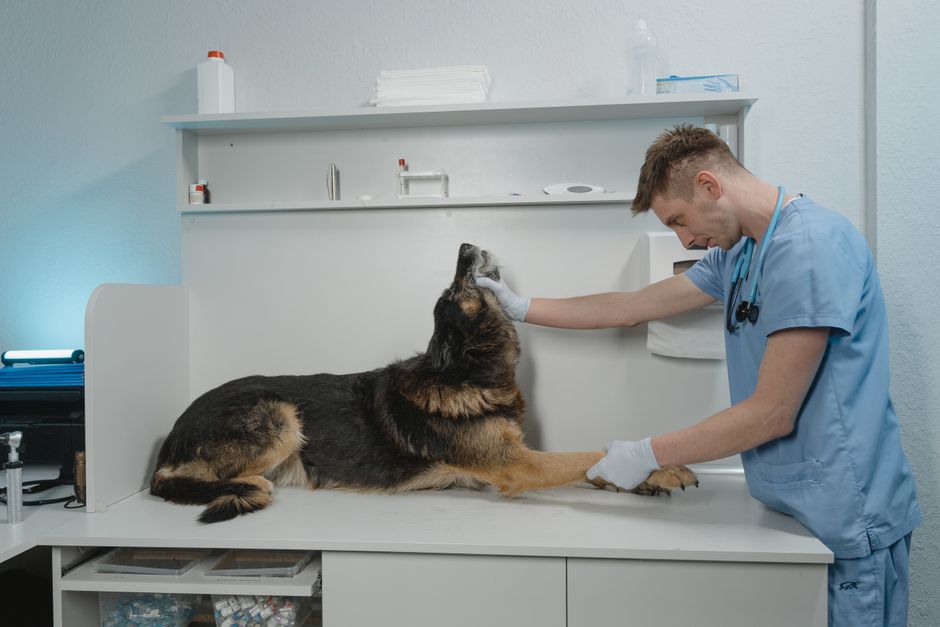
When you bring your pet to Double Oak Mountain Animal Hospital for allergy concerns, our veterinary team starts with a thorough history and physical examination. We ask about your pet’s symptoms, when they started, how they have changed with the seasons, and any previous treatments you have tried. During the examination, we look for signs of skin irritation, ear inflammation, and other indicators of allergic disease.
To pinpoint the underlying cause, we may recommend allergy testing services. These tests can include bloodwork or intradermal skin testing to identify specific pollen, mold, or food allergens affecting your pet. Sometimes, additional diagnostic steps such as skin scrapings or cytology are performed to rule out secondary infections or parasites that can complicate allergy symptoms.
Treatment approaches involve a combination of strategies tailored to your pet’s individual needs. For mild cases, antihistamines, medicated shampoos, or topical treatments may offer relief. In more severe situations, your veterinarian might recommend prescription medications such as corticosteroids or newer allergy medications that target the immune response. For pets with chronic or severe allergies, immunotherapy (allergy shots or oral drops) based on test results can help reduce sensitivity over time. Managing secondary infections with antibiotics or antifungal medications is sometimes necessary, especially if the skin has been damaged by scratching.
Throughout the process, our goal is to minimize your pet’s discomfort and improve their quality of life. We work closely with you to find the most effective, safe solutions, monitoring progress and adjusting the treatment plan as needed.
At-Home Strategies for Managing Spring Allergies
While professional veterinary care is essential for moderate to severe allergies, there are several steps you can take at home to reduce your pet’s exposure to springtime allergens and keep them comfortable. Wiping your dog or cat’s paws and coat with a damp cloth after walks or outdoor playtime can help remove pollen before they come indoors. Bathing your pet with a gentle, hypoallergenic shampoo once or twice a month can also decrease allergen load and soothe irritated skin.
Keeping windows closed during high pollen days and using air purifiers can reduce the amount of airborne allergens inside your home. Regularly washing your pet’s bedding, vacuuming carpets, and cleaning upholstery will help eliminate pollen, dust mites, and other irritants. For pets that spend a lot of time outside, try to schedule walks during times when pollen counts are lower, typically in the late afternoon or after a rain.
Dietary support with omega-3 fatty acids and high-quality pet food can also strengthen the skin barrier and help reduce inflammation. However, before starting any supplements or making major changes to your pet’s routine, it is always a good idea to consult with your veterinarian for personalized recommendations.
When to Schedule a Veterinary Visit for Allergies
While some mild allergy symptoms can be managed at home, certain signs indicate the need for professional evaluation and care. You should schedule an appointment with our veterinary team if your pet’s itching is persistent or severe, if you notice open sores, hair loss, or repeated ear infections, or if over-the-counter remedies are not providing relief. Respiratory symptoms such as frequent coughing, wheezing, or labored breathing should always be taken seriously, as these can signal more significant allergic reactions or other underlying health issues.
If your pet’s quality of life is affected—meaning they are restless at night, losing interest in play, or seem generally uncomfortable—it is time to seek help. Early intervention is key to preventing complications and ensuring your pet gets the relief they deserve. For pets experiencing sudden swelling, facial hives, vomiting, or collapse, seek emergency veterinary care immediately, as these symptoms can indicate a life-threatening allergic reaction.
Our team at Double Oak Mountain Animal Hospital is here to provide comprehensive support, from initial diagnosis to long-term allergy management. Scheduling a wellness examination allows us to develop a tailored plan for your pet’s unique needs.
Your Partner for Pet Allergy Relief in Birmingham and Beyond
Spring allergies can be a challenge for pets and owners alike, but with the right support, your dog or cat can enjoy all the joys of the season with minimal discomfort. At Double Oak Mountain Animal Hospital, we take pride in offering comprehensive allergy relief solutions tailored to the needs of pets in Birmingham and surrounding communities. Our veterinary professionals are committed to compassionate, individualized care, and we invite you to reach out with any questions or concerns about your pet’s health.
If you are searching for a trusted "vet near me" to help with spring allergies or other health concerns, our team is ready to assist. Schedule an appointment today by calling (205) 991-5446 or visit us at 5490 Highway 280 East, Birmingham, AL 35242. For more information about our allergy testing services or to explore our veterinary blog with pet health tips and information, browse our website at doubleoakmountainvet.com. Let us help your pet breathe easy and feel great this spring!