Recognizing Signs of Illness in Your Pet This Fall
Recognizing Signs of Illness in Your Pet This Fall
As the leaves begin to turn and temperatures drop in Birmingham, many pet owners notice subtle changes in their dogs and cats. Some of these changes are perfectly normal for the season, but others may be early signs that your pet is not feeling their best. At Double Oak Mountain Animal Hospital, located right here on 5490 Highway 280 East, Birmingham, AL 35242, we understand how important it is to catch health problems early so your pet can enjoy a comfortable and happy fall. In this post, we will help you recognize the early warning signs of illness in your pet this autumn, explain what might be causing these issues, and share how our veterinary team can help keep your furry family members healthy. You will also find guidance on when to schedule a veterinary appointment and practical steps to support your pet at home during the season.
If you have noticed recent changes in your pet’s behavior, eating habits, or energy level, you are not alone. Many pets experience subtle health shifts in the fall, and knowing when to seek help can make all the difference. Our compassionate team at Double Oak Mountain Animal Hospital is here to answer your questions, provide thorough wellness examinations, and deliver comprehensive care for dogs and cats throughout Birmingham and neighboring communities.
Common Signs Your Pet May Be Sick This Fall
As a pet owner, you know your dog or cat’s normal routines and moods better than anyone. When something seems “off,” it is always worth paying attention, especially during the transitional months of autumn. Key symptoms to watch for in your pet during the fall include a loss of appetite, increased thirst, vomiting, diarrhea, coughing or sneezing, and unusual lethargy. Additionally, if your pet is hiding more than usual, experiencing changes in urination, showing signs of lameness, or developing visible lumps or bumps, these may all be early indicators of illness.
Behavioral changes are often the first sign that something is wrong. For example, a normally playful dog who suddenly prefers to nap most of the day, or a cat who becomes withdrawn and avoids the family, may be experiencing discomfort or illness. It is also important to notice differences in grooming habits, as some cats will neglect grooming when they are not feeling well, while others may over-groom due to itchiness or pain.
Respiratory symptoms such as sneezing, coughing, or nasal discharge tend to be more common in the fall, as both dogs and cats can develop viral or bacterial infections when the weather cools. Digestive problems, including vomiting or diarrhea, may also crop up due to dietary indiscretions, exposure to toxins like fallen leaves or mushrooms, or underlying medical conditions.
If you notice your pet limping or hesitating to jump onto furniture, joint pain from arthritis may be aggravated by cooler temperatures. Skin problems, such as increased itching, redness, or hair loss, can also flare up in the fall due to changes in humidity, the presence of seasonal allergens, or increased time indoors.
Why Do Pets Get Sick More Often in the Fall?
Several factors contribute to a rise in pet illnesses during the autumn months. One of the main reasons is the shift in weather. Colder, damp conditions can exacerbate chronic conditions like arthritis, while increased time indoors can lead to the spread of respiratory infections, especially in multi-pet households. Seasonal allergens, such as mold spores and decaying leaves, are also more prevalent during this time of year and can trigger allergic reactions in sensitive pets.
Changes in daily routines often accompany the back-to-school season, meaning your pet may experience more time alone, altered feeding schedules, or less exercise. These adjustments can cause stress, which has been shown to weaken immune systems and make pets more susceptible to illness.
Another common issue in the fall is the presence of environmental hazards. Mushrooms, certain plants, and even decorative items like potpourri or scented candles can be toxic if ingested. Rodenticides and antifreeze, often used more frequently during the cooler months, pose serious risks if pets have access to them.
Finally, parasites such as fleas and ticks remain active well into the autumn in Alabama’s climate. Heartworm disease is also a year-round threat in our region, making it vital to maintain preventive care throughout the season.
How Double Oak Mountain Animal Hospital Diagnoses and Treats Fall Illnesses
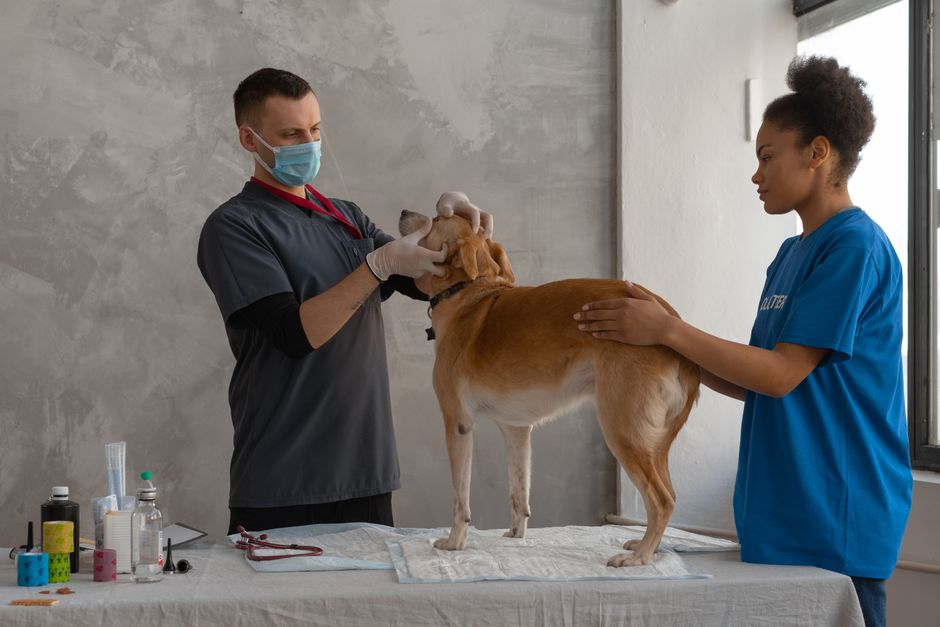
When your pet is not feeling well, a thorough veterinary exam is the first step toward getting them back on track. At Double Oak Mountain Animal Hospital, our experienced veterinarians begin with a detailed medical history and physical examination tailored to your pet’s specific symptoms. If your dog or cat is showing signs of illness, we may recommend a comprehensive pet exam to evaluate their overall health.
Diagnostic tests are often needed to pinpoint the underlying cause of your pet’s symptoms. Our in-house pet diagnostic laboratory allows us to quickly run bloodwork, urinalysis, and fecal tests to assess organ function, detect infections, and identify parasites. If your pet is coughing or having difficulty breathing, digital radiology and ultrasound imaging may be used to examine the lungs, heart, and abdomen. Our team can also perform allergy testing for pets with chronic itching or skin problems.
Once a diagnosis is made, we develop a personalized treatment plan based on your pet’s needs. Treatment approaches involve medication for infections or pain, supportive care such as fluids for dehydration, dietary adjustments for digestive upsets, and allergen avoidance strategies for pets with seasonal allergies. For chronic conditions like arthritis, we may recommend pain management, joint supplements, and environmental modifications to help your pet stay comfortable as temperatures drop.
If your pet requires more advanced care, such as dental procedures, soft tissue surgery, or urgent intervention, our clinic is fully equipped to provide these services on-site or refer you to a trusted local specialist when necessary.
Preventing Illness and Supporting Your Pet at Home
Taking proactive steps at home can go a long way in helping your pet stay healthy during the fall. First, keep your pet’s environment clean by regularly vacuuming and removing fallen leaves, moldy debris, and potential toxins from your yard and garage. Be mindful of mushrooms, rodenticides, and antifreeze, which can be highly dangerous if ingested.
Maintaining your pet’s regular exercise routine and feeding schedule helps reduce stress and supports a strong immune system. If your dog or cat is showing signs of joint discomfort, provide soft bedding and avoid strenuous activity during colder days. For pets with known allergies, use air purifiers and avoid scented candles or cleaning products that may trigger reactions.
It is also important to keep your pet up to date on vaccinations and parasite prevention year-round. Our vaccination services and heartworm testing help protect your pet from common and potentially serious diseases that are present in Alabama throughout the year.
Watch for subtle changes in your pet’s behavior, appetite, and bathroom habits. The earlier you catch a problem, the easier it is to address. If you have questions about your pet’s health or are unsure whether a symptom is cause for concern, our veterinary team is always here to help.
When to Schedule a Veterinary Visit for Your Pet
Knowing when to seek professional care can be challenging, especially when symptoms are mild or intermittent. If your pet experiences persistent vomiting or diarrhea, labored breathing, sudden weakness, loss of appetite for more than 24 hours, or any signs of pain, it is time to schedule an appointment with our veterinary team. Other situations that warrant prompt attention include unexplained weight loss, coughing that does not improve, lameness, or behavioral changes that last more than a few days.
For pets with chronic conditions, such as arthritis or allergies, regular check-ins help us adjust treatment plans as the seasons change. If you notice a sudden worsening of symptoms or new issues cropping up, do not wait to reach out. Our veterinarians are trained to recognize the early stages of illness and provide targeted care to prevent complications.
If your pet experiences a potentially serious or life-threatening health problem outside of normal business hours, our emergency veterinary care information page offers resources and guidance on what to do next. For less urgent but concerning symptoms, our team can often accommodate same-day or next-day appointments so that your pet receives timely care.
Supporting Birmingham’s Pets Through Every Season
Fall is a beautiful time of year in Birmingham, but it also comes with unique challenges for pet health. By staying aware of the signs of illness and seeking veterinary guidance early, you can help your dog or cat enjoy a comfortable and happy autumn. At Double Oak Mountain Animal Hospital, our veterinarians are committed to supporting pets and their families with compassionate care, thorough diagnostic services, and personalized treatment plans.
If you are searching for a "vet near me" that truly understands the needs of your pets, trust our dedicated team on 5490 Highway 280 East, Birmingham, AL 35242. Whether you need a wellness exam, diagnostic testing, or advice about your pet’s changing health this fall, we are here to help. Contact us today at (205) 991-5446 to schedule an appointment or visit our website for more information. Your pet’s health and comfort are our top priority, every season of the year.