Cold Weather Pet Care Tips for Birmingham Dog and Cat Owners
Cold Weather Pet Care Tips for Birmingham Dog and Cat Owners
As the crisp air of November settles into Birmingham and the surrounding communities, pet owners begin to notice their dogs and cats seeking cozy spots and shying away from chilly, wet weather. At Double Oak Mountain Animal Hospital, we understand how important it is to adapt your pet care routine as the seasons change. Colder temperatures, damp conditions, and shorter days can bring new challenges for your pet’s comfort and health. Whether you are concerned about your dog’s sensitive paws on frosty sidewalks or your cat’s preference for sunny windows, our veterinary team at 5490 Highway 280 East, Birmingham, AL 35242 is here to help you navigate the months ahead. In this blog, we share practical advice drawn from years of caring for local pets, including tips on indoor comfort, outdoor safety, and health precautions that matter most during Alabama’s colder, rainier fall and winter. We will also explain when to seek veterinary care and how to keep your pet thriving until the warmth of spring returns.
Recognizing When Your Pet Needs Extra Cold Weather Care
The transition from mild autumn days to brisk, wet weather can bring out subtle changes in your pet’s behavior and comfort. Dogs and cats may start seeking warmth, avoid walks, or seem less interested in play as the temperature drops. Signs your pet may need extra care during cold weather include shivering, curling up tightly in blankets, reluctance to go outdoors, or licking and lifting their paws frequently after being outside. Other indications are dry or cracked paw pads, changes in appetite, and sneezing or nasal discharge. For short-haired breeds, older animals, or pets with chronic conditions such as arthritis, cold weather can intensify stiffness or discomfort. Paying close attention to these changes can help you intervene early and prevent more serious health issues from developing during the colder months.
Why Cold Weather Affects Dogs and Cats in Birmingham
Even though Birmingham winters are generally milder than in northern states, local pets still face unique seasonal challenges. Sudden drops in temperature, increased rainfall, and occasional freezing conditions can affect dogs and cats in several ways. The combination of dampness and cold can make arthritis symptoms worse for older pets. Wet weather can also soften paw pads, making them more vulnerable to injury from salt, ice melt, or rough surfaces. For outdoor cats and adventurous dogs, exposure to wind and rain can lower body temperature quickly, especially if they become wet. Additionally, indoor heating can lead to dry skin and static, making your pet’s coat more prone to matting and irritation. Understanding these regional factors helps you anticipate your pet’s needs and adjust your home environment for their comfort.
Breeds and Individual Factors
Certain breeds and individual pets are more sensitive to cold weather. Short-haired dogs, small breeds, senior pets, and animals with underlying health issues are less able to retain body heat and may require additional protection. Cats, especially those accustomed to spending time outdoors, may find it more difficult to find warm shelter and could be at risk for hypothermia if left outside for extended periods. Recognizing your pet’s specific vulnerabilities is the first step toward creating a safer, more comfortable winter routine.
Managing Indoor Comfort for Your Pet
As the weather cools, your home becomes your pet’s main refuge. Maintaining a comfortable indoor environment is essential for their physical and emotional well-being. Start by ensuring your dog or cat has a warm, draft-free spot to rest, away from doors or windows that let in cold air. Providing extra blankets or a cozy bed in a quiet area can help your pet feel secure. For pets with arthritis or mobility challenges, orthopedic beds can offer additional support and insulation from cold floors.
Adjusting your home’s humidity can also benefit your pet’s skin and coat. Running a humidifier helps counteract the drying effects of indoor heating systems, reducing the risk of flaky skin or static shocks. Regular brushing keeps your pet’s coat healthy and distributes natural oils, which are especially important during the dry winter months. If you notice persistent dry skin, schedule a wellness examination with our veterinary team to rule out underlying health issues and discuss appropriate skin care solutions.
Protecting Paws and Skin During Cold, Wet Weather
Paw care becomes especially important during Birmingham’s colder, rainier seasons. Sidewalks and driveways may be treated with de-icing salts or chemicals that can irritate your dog’s paws or be toxic if licked. After every walk, gently wipe your pet’s feet with a damp cloth to remove residue and prevent irritation. Inspect paw pads for cracks, redness, or foreign objects such as small stones. You may notice your dog licking their feet more frequently or hesitating on rough or cold surfaces; these are signs that extra care is needed.
Applying a pet-safe paw balm before walks can help protect your dog’s feet from moisture and salt. Trimming the fur between your dog’s toes prevents ice or mud from accumulating, which can make walks uncomfortable. Cats that venture outdoors should also have their paws checked regularly for injuries or debris. If your pet develops persistent redness, swelling, or limping, consult our urgent veterinary care services to address the problem promptly.
Outdoor Safety: Walks, Play, and Shelter
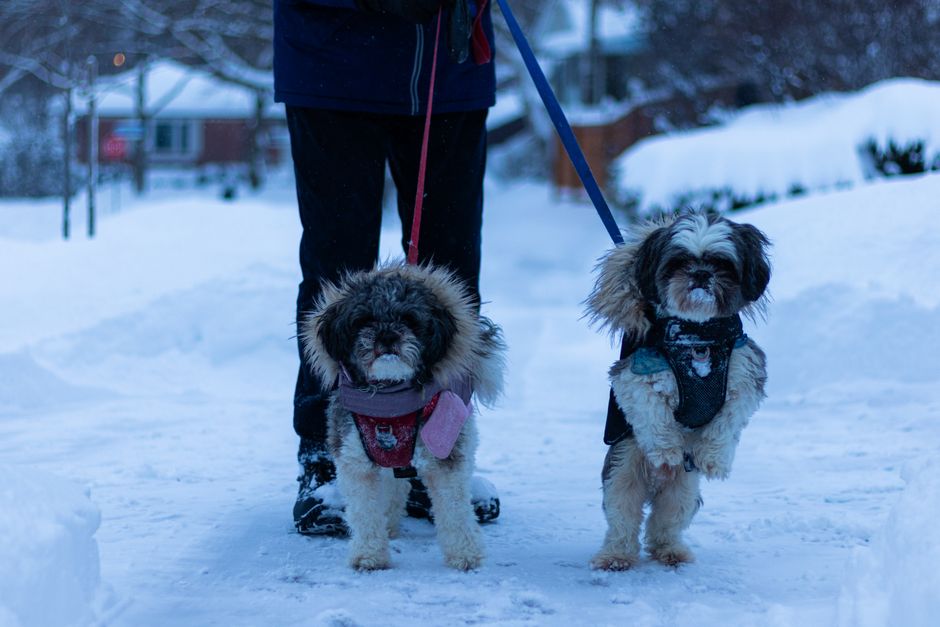
Even on chilly days, regular exercise and outdoor time are important for your pet’s mental and physical health. However, some precautions are essential during Birmingham’s colder months. Limit walks on particularly cold or wet days, and choose times when temperatures are milder, such as late morning or early afternoon. Dress short-haired dogs in a well-fitting sweater or jacket to help them retain body heat. Always supervise your pet outside, especially during rainstorms or when frost is present.
For cats that go outdoors, provide access to a dry, insulated shelter out of the wind and rain. Never leave dogs or cats outside for extended periods in cold weather, as hypothermia can develop quickly. If your pet shows signs of reluctance to go outside, try shorter, more frequent walks or use indoor play to maintain activity levels. Be watchful for environmental hazards such as antifreeze spills, which are highly toxic to pets even in small amounts.
Preventive Health: Vaccinations and Wellness Exams
Cold weather can increase the risk of certain illnesses, including respiratory infections. Staying up to date with your pet’s vaccinations is a key part of preventive care, especially as pets spend more time indoors and may be exposed to other animals in boarding or grooming environments. Scheduling an annual wellness examination at Double Oak Mountain Animal Hospital gives our veterinarians the opportunity to catch early signs of seasonal issues, discuss any changes in your pet’s behavior, and review their vaccination status. If you have questions about which vaccines are recommended for your dog or cat during the fall and winter months, our veterinary professionals are happy to provide guidance tailored to your pet’s lifestyle and health history.
Home Care Tips for Keeping Your Pet Healthy All Season
Caring for your dog or cat during Birmingham’s colder months involves a few simple but effective steps. Always provide fresh water, as heated indoor air can increase your pet’s need for hydration. Check that your pet’s water bowl is not left outside where it can freeze overnight. Feeding a balanced diet helps maintain a healthy weight and supports your pet’s immune system during the winter. Continue regular grooming to remove loose hair and prevent matting, which can trap moisture and lead to skin problems.
Play and mental stimulation are just as important on cold, rainy days. Rotate your pet’s toys, use treat puzzles, or set up short indoor play sessions to keep boredom at bay. If your dog or cat seems restless or less interested in usual activities, this can be a sign of discomfort or seasonal blues. Our veterinary team can offer solutions to support your pet’s emotional well-being throughout the winter months.
When to Seek Veterinary Care for Cold Weather Concerns
While many cold weather issues can be managed at home, certain symptoms require prompt attention from a veterinarian. Contact our team if your pet is shivering uncontrollably, has difficulty breathing, develops a persistent cough, or shows signs of frostbite such as pale, hard, or swollen ears, tail, or paws. Lethargy, limping, sudden swelling, or wounds that do not heal are also reasons to seek professional help. For urgent concerns during evenings or weekends, our urgent veterinary care services are available to ensure your pet receives timely treatment. If your pet experiences a serious illness or injury after hours, you can find additional information on emergency veterinary care through our website.
If you are ever uncertain whether your dog or cat needs immediate care, our veterinary professionals are happy to answer your questions and guide you on the best next steps. Prompt action can make all the difference in your pet’s recovery and comfort.
Supporting Your Pet’s Health with Double Oak Mountain Animal Hospital
As Birmingham’s temperatures drop and rainy days become more frequent, proactive care is the best way to keep your pet happy and healthy. Creating a warm, safe indoor environment, managing outdoor routines, and staying vigilant for signs of discomfort or illness ensure your dog or cat thrives throughout the season. Scheduling a wellness examination or consulting our team about winter health concerns can provide peace of mind and early intervention for potential issues.
If you are searching for a trusted "vet near me" who understands the unique needs of pets in Birmingham and surrounding communities, Double Oak Mountain Animal Hospital is here to help. Our compassionate veterinarians offer comprehensive care, preventive services, and guidance every step of the way. To schedule an appointment or learn more about our services, call us at (205) 991-5446 or visit us at 5490 Highway 280 East, Birmingham, AL 35242. For additional resources on winter pet care, preventive health, or urgent care options, explore our wellness examination and emergency veterinary care pages. We look forward to partnering with you in keeping your pet safe, comfortable, and healthy all winter long.
This blog is intended for informational purposes only and should not replace professional veterinary advice. If you have specific concerns about your pet’s health, please contact your veterinarian directly.