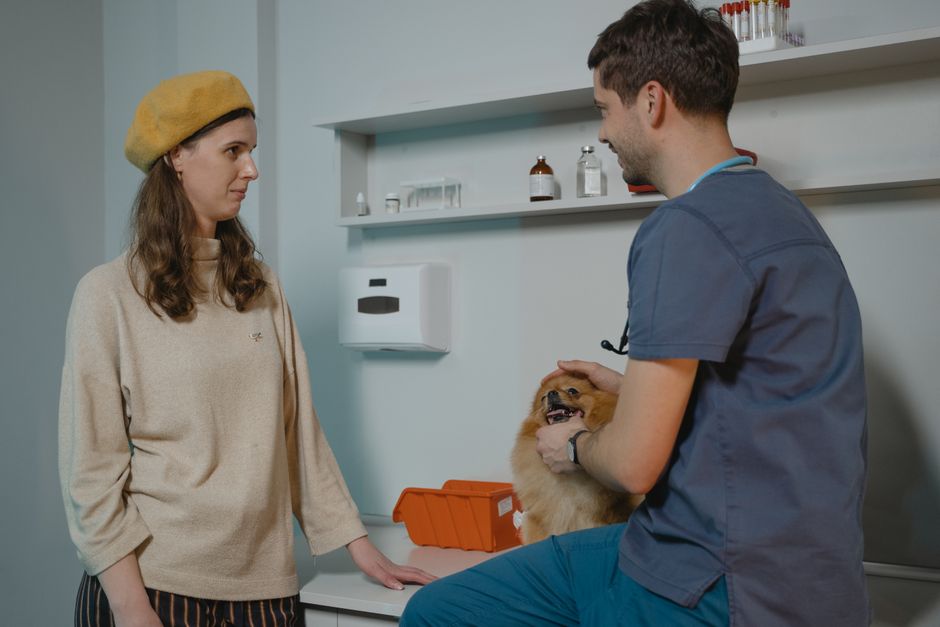
Recognizing Pet Emergencies: When to Call Your Vet

Recognizing Pet Emergencies: When to Call Your Vet
When your dog or cat suddenly seems unwell, it can be difficult to know whether you are facing a true emergency or a situation that can wait for a regular appointment. As a pet owner, your quick action can make all the difference when every moment counts. At Double Oak Mountain Animal Hospital, located at 5490 Highway 280 East, Birmingham, AL 35242, we understand how stressful it feels when your beloved pet is in distress. Our veterinary team is committed to providing comprehensive, compassionate care for small animals in Birmingham and surrounding communities, including urgent and emergency services when needed.
This guide will help you recognize the warning signs of true pet emergencies, understand what might be causing them, and know when it is time to contact your veterinarian. We will also cover what you can do at home to help your pet stay safe and healthy, and how to prepare for urgent situations. If you are ever uncertain, remember that it is always better to err on the side of caution and reach out to your veterinary team. We are here to support you and your pet every step of the way.
Identifying a Pet Emergency: Signs You Should Never Ignore
Pets are experts at hiding pain and discomfort, so it is important to pay close attention to any unusual changes in their behavior, appearance, or activity level. Some emergencies are obvious, but others can be more subtle. Key symptoms that indicate your pet may need immediate veterinary attention include difficulty breathing, sudden collapse or inability to stand, repeated vomiting or diarrhea (especially if blood is present), severe bleeding that does not stop, and seizures or loss of consciousness. Other critical signs are a swollen, distended abdomen, signs of extreme pain such as vocalizing or restlessness, sudden weakness or paralysis, and exposure to toxins or poisons.
Additionally, if your dog or cat experiences trauma from being hit by a car, a fall from a significant height, or a bite wound from another animal, it is crucial to seek veterinary care right away even if there are no visible injuries. Difficulty urinating, straining without producing urine, or crying out in the litter box can signal a urinary blockage, which is a life-threatening emergency, especially in male cats. If your pet’s gums appear pale, blue, or gray, or if you notice rapid or shallow breathing, these can be signs of shock or respiratory distress.
Why Emergencies Happen: Common Causes in Dogs and Cats
Pet emergencies can arise for many reasons, and sometimes even the most diligent pet owners are caught off guard. Accidental ingestion of toxic foods, medications, or household chemicals is a frequent culprit; chocolate, xylitol (found in sugar-free gum), grapes, certain plants, and human medications are common dangers for pets. Trauma from accidents, animal fights, or falls often leads to injuries that require urgent attention. Underlying health conditions such as heart disease, diabetes, or kidney failure can also cause sudden crises, including collapse or severe lethargy.
Heatstroke is a particular risk during Alabama’s warmer months, especially for brachycephalic breeds like Bulldogs or Pugs, as well as very young, elderly, or overweight pets. Allergic reactions to insect stings or new foods can rapidly progress to anaphylaxis, with symptoms such as facial swelling, hives, vomiting, or difficulty breathing. Urinary blockages, especially in male cats, can develop quickly and become fatal without prompt treatment. Intestinal blockages caused by swallowing toys, bones, or other foreign objects are another frequent emergency seen in both dogs and cats.
What to Expect: Veterinary Treatment for Pet Emergencies
When you arrive at Double Oak Mountain Animal Hospital with a pet emergency, our veterinary team will act quickly to assess your pet’s condition and provide immediate care. The first step usually involves a physical examination and stabilization, which may include oxygen therapy, intravenous fluids, pain relief, and wound management. Diagnostic testing such as blood work, digital radiology, or ultrasound can help determine the underlying cause of your pet’s symptoms.
Treatment approaches depend on the specific emergency. For example, pets with poisoning may require medications to induce vomiting or activated charcoal to absorb toxins, and some cases need advanced support like IV lipid therapy. Injuries from trauma might involve wound cleaning, stitches, splinting, or even emergency surgery. Pets experiencing seizures or collapse may be monitored closely for underlying neurological or metabolic disorders, with supportive medications provided as needed. In cases of urinary blockage, especially in male cats, immediate relief is provided through catheterization and supportive care to restore normal urination.
If your pet needs ongoing monitoring or specialized care after initial stabilization, our veterinary professionals will discuss the best options with you, including transfer to a 24-hour emergency facility if necessary. Throughout the process, communication and compassion are our top priorities so you feel informed and supported every step of the way. For additional information about how our team handles emergencies, you can visit our emergency veterinary care services page.
Protecting Your Pet: Prevention and Home Care Strategies
While not all emergencies can be prevented, there are steps you can take at home to reduce your pet’s risk. Keeping harmful foods, medications, and cleaning products securely stored out of your pet’s reach is critical. Safe pet-proofing of your home includes removing access to small toys, strings, or other objects your pet might swallow. Regular wellness examinations help identify early signs of disease before they become emergencies, and vaccinations can prevent many infectious diseases that can cause sudden illness.
During hot Alabama summers, always provide plenty of fresh water and shade, and never leave your pet in a parked car. Monitoring your pet’s weight, providing regular exercise, and keeping up with parasite prevention all contribute to long-term health. For pets with chronic conditions such as diabetes or heart disease, following your veterinarian’s treatment plan and medication schedule is essential to prevent sudden complications.
If your pet is recovering from surgery or illness, follow all post-care instructions closely. Watch for any changes in appetite, energy, or bathroom habits, and contact your veterinary team if you have concerns. Having a pet first aid kit and an emergency plan in place, including knowing the fastest route to your veterinary hospital, can make a big difference if a crisis arises.
When to Call Your Veterinarian: Deciding If It Is an Emergency
It can be challenging to judge when your pet needs urgent veterinary attention, especially when symptoms are unclear. As a general rule, any sudden or severe change in your pet’s health or behavior should prompt a call to your veterinary team. For situations such as difficulty breathing, collapse, seizures, severe bleeding, or suspected poisoning, do not wait; contact your veterinarian or visit the nearest animal hospital immediately.
Some symptoms, like mild vomiting or a single episode of diarrhea, may not require emergency care, but if these symptoms persist, worsen, or are accompanied by lethargy, pain, or blood, they should be evaluated as soon as possible. If you are unsure, our team is always happy to advise you over the phone, helping you determine whether your pet needs to be seen right away or if it is safe to monitor at home.
For after-hours situations, knowing where to find trustworthy care is essential. Double Oak Mountain Animal Hospital provides information about after-hours emergency care so you are never left wondering where to turn if your pet needs help outside of regular office hours. Always keep our phone number handy and do not hesitate to reach out if you are concerned about your pet’s wellbeing.
Supporting Birmingham’s Pets with Reliable, Local Veterinary Care
Recognizing the signs of a pet emergency and knowing when to call your veterinarian can truly save lives. Trust your instincts; you know your pet best, and any sudden, severe, or unexplained changes should always be taken seriously. At Double Oak Mountain Animal Hospital, our veterinary team is dedicated to providing prompt, compassionate care for small animals in Birmingham and neighboring communities. We encourage you to schedule an appointment or reach out whenever you have concerns about your pet’s health.
If you are searching for a trusted vet near me in the Birmingham area, our team is here to help with both routine care and urgent needs. For more resources on what to do in a pet emergency or to speak with a member of our veterinary team, call us at (205) 991-5446 or visit us at 5490 Highway 280 East, Birmingham, AL 35242. Your pet’s safety and health are always our top priority, and we are honored to be your partner in their lifelong care.
This blog is intended for informational purposes only and should not replace professional veterinary advice. If you believe your pet is experiencing an emergency, please contact your veterinarian immediately.