Halloween Hazards for Pets: Keeping Dogs and Cats Safe
Halloween Hazards for Pets: Keeping Dogs and Cats Safe
October in Birmingham is filled with festive decorations, sweet treats, and plenty of costumes, making Halloween a favorite time of year for many families. While this season brings fun and excitement, it also introduces unique risks for your dogs and cats. At Double Oak Mountain Animal Hospital, located at 5490 Highway 280 East, Birmingham, AL 35242, we understand how important it is for pet owners to keep their companions safe and healthy during the holidays. This blog will help you recognize the most common Halloween hazards for pets, understand why these risks occur, and provide practical tips for keeping your furry family members protected throughout the spooky season. Whether you're new to pet ownership or a seasoned animal lover, the veterinary team at Double Oak Mountain Animal Hospital is here to support you with guidance and comprehensive care every step of the way.
Recognizing Halloween Dangers for Dogs and Cats
Halloween is a time when your home is likely to look and feel different, with new scents, sights, and sounds that can intrigue or stress your pets. Common hazards often include chocolate and candy left within reach, decorations that might be chewed or swallowed, and the overall commotion of trick-or-treaters at the door. Dogs and cats may become anxious or overstimulated by costumes, loud noises, or the presence of unfamiliar visitors. Additionally, some pets are at risk of slipping out through frequently opened doors or getting into mischief with festive decor.
It is important to watch for signs that your pet might be in trouble. These can include vomiting or diarrhea after ingesting something unusual, sudden lethargy, excessive drooling, restlessness, or unexplained agitation. If your dog or cat is suddenly hiding, refusing food, or behaving out of character, these may also be clues that something is wrong. Being alert to such changes will help you respond quickly and protect your pet’s well-being.
Why Halloween Poses Extra Risks for Pets
The very things that make Halloween fun for people can be dangerous for dogs and cats. Many seasonal treats contain chocolate, xylitol, raisins, or macadamia nuts, all of which are toxic to pets. Even small amounts can cause severe illness. Wrappers, lollipop sticks, and packaging may be chewed or swallowed, leading to choking or blockages. Decorative items such as string lights, fake cobwebs, and candles can attract curious pets but pose risks of burns, electrical shock, or intestinal obstruction if ingested.
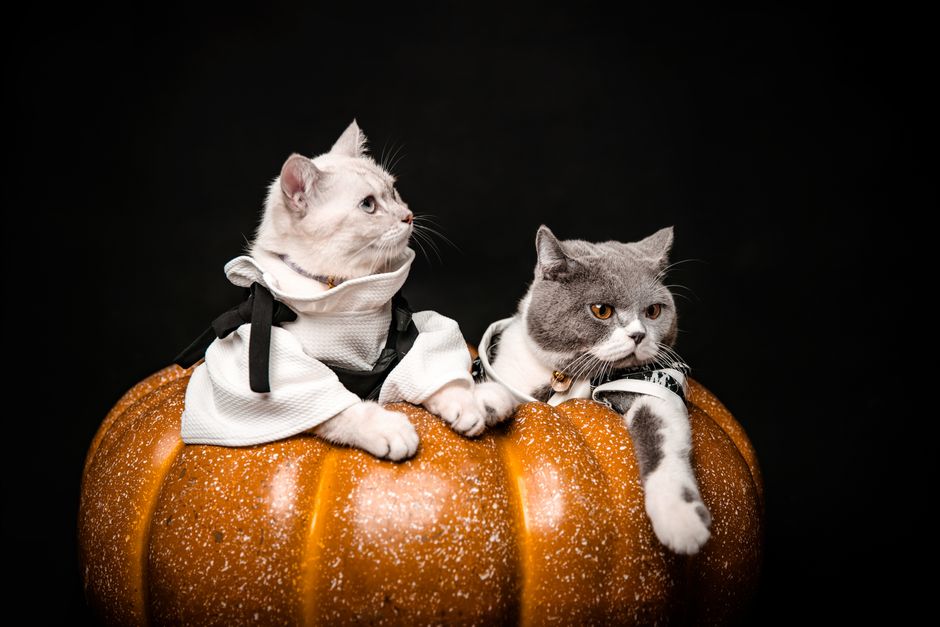
Costumes and accessories present their own challenges. Pets may become stressed or disoriented by unfamiliar clothing, restrictive outfits, or noisy accessories. Some pets may even try to chew or swallow parts of their costume, leading to digestive issues or choking. The high volume of visitors and constant doorbell ringing can raise anxiety levels, increasing the chance that a nervous pet may dart outside or exhibit fear-based behaviors such as hiding or aggression.
What to Do If Your Pet Encounters a Halloween Hazard
If you suspect your pet has eaten chocolate, candy, or any non-food item, or if they are exhibiting unusual symptoms, prompt action is crucial. Call Double Oak Mountain Animal Hospital at (205) 991-5446 for guidance. Describe what your pet has ingested, the amount, and any symptoms you have noticed. Depending on the situation, our veterinarians may recommend immediate at-home steps, a visit to the clinic, or close monitoring.
For pets who have chewed electrical cords or decorations, look for signs of mouth burns, drooling, or pawing at the mouth. Pets who have been burned by candles or open flames should be evaluated for the severity of the injury. Costume-related problems often involve restricted breathing or mobility, so if your pet seems distressed while dressed up, remove the costume right away and assess for any injuries.
In case of a swallowed object, such as a wrapper or small toy, watch for vomiting, loss of appetite, or signs of abdominal discomfort. In some cases, advanced diagnostics like endoscopy may be needed to safely retrieve the object. Our endoscopy services can help diagnose and treat these internal problems with minimal invasiveness, reducing the risk of complications.
Preventing Halloween Mishaps: Home Safety Strategies
Preparation is the key to a safe and happy Halloween for your pets. Keep all candy and treats well out of reach, ideally in closed containers or cabinets. Remind children and guests not to share human treats with your pets, even if they beg with those irresistible eyes. Dispose of wrappers promptly, since the smell of chocolate or sugar can tempt even the most well-behaved dogs and cats.
When decorating, choose pet-safe items and avoid anything that could easily be chewed, swallowed, or tangled around your pet. Secure electrical cords and keep lit candles or jack-o-lanterns far from where pets can reach. If you plan to dress your pet in a costume, select outfits that fit comfortably, do not restrict movement or vision, and lack any small pieces that could be bitten off. Allow your pet to try on the costume beforehand to ensure they are comfortable and acclimated before Halloween festivities begin.
During trick-or-treat hours, consider keeping your pets in a quiet, secure room away from the front door. This minimizes anxiety, reduces the risk of escape, and prevents accidental access to treats or hazardous decorations. Playing soft music or providing familiar toys can help soothe nervous pets. Make sure your pet’s ID tags and microchip information are up to date in case they do slip outside.
When to Seek Veterinary Care for Halloween Emergencies
Some Halloween mishaps require immediate professional care. If your pet has consumed chocolate, xylitol, or any known toxin, contact your veterinarian without delay. Signs like persistent vomiting, diarrhea, tremors, seizures, difficulty breathing, or sudden collapse are emergencies that warrant an urgent visit. Pets who have ingested foreign objects, suffered burns, or show signs of pain or distress also need prompt attention.
At Double Oak Mountain Animal Hospital, we provide emergency veterinary care for pets needing urgent medical attention. Our veterinary team is equipped to handle a wide range of emergencies, from toxin ingestion to injuries caused by Halloween activities. If you are unsure whether your pet’s situation is an emergency, it is always safer to call (205) 991-5446 or bring your pet in for evaluation. For after-hours concerns, you can find more information about after-hours emergency care on our website.
Keeping Your Pets Happy and Safe in Birmingham and Beyond
Halloween offers wonderful opportunities for family fun, but a little extra planning goes a long way in keeping your dogs and cats safe. By staying alert to potential hazards, preparing your home, and knowing when to seek help, you can ensure your pets enjoy the season just as much as you do. Remember that anxiety and stress are just as important to address as physical dangers, especially with the extra commotion of Halloween festivities.
If you have any concerns about your pet’s health or safety this October, or if you need guidance on preventing holiday hazards, the veterinary professionals at Double Oak Mountain Animal Hospital are here to help. We serve Birmingham and surrounding communities with compassionate, comprehensive care for your four-legged family members. When searching for a veterinarian near me, look for a trusted team who knows how to protect pets in every season.
To schedule an appointment or speak with our veterinarians about Halloween safety, call (205) 991-5446 or visit us at 5490 Highway 280 East, Birmingham, AL 35242. Let us help you keep your pets healthy, happy, and safe throughout Halloween and all year long.
If you suspect your pet has ingested something toxic or is experiencing a medical emergency, please contact your veterinarian immediately. This blog is intended for informational purposes and does not replace professional veterinary advice.