Protecting Pets From Fleas and Ticks This March in Birmingham
Protecting Pets From Fleas and Ticks This March in Birmingham
Springtime in Birmingham brings warmer temperatures, gentle rains, and the promise of greener days ahead. However, it also signals the start of flea and tick season—a concern for every dog and cat owner in the area. As March unfolds, these pesky parasites begin to emerge in greater numbers, putting your pet’s comfort and health at risk. At Double Oak Mountain Animal Hospital, located conveniently at 5490 Highway 280 East, Birmingham, AL 35242, our veterinary professionals see firsthand how quickly fleas and ticks can take hold, especially during this transitional season.
In this blog, we’ll guide you through the early warning signs of flea and tick problems, explain why Birmingham’s spring climate is a breeding ground for these pests, discuss treatment options, and share effective prevention tips for your furry family members. Our team is committed to helping you understand the best ways to keep your pets healthy and parasite-free, whether you’re in Birmingham or any of the surrounding communities. If you’re unsure whether your pet is at risk or want to schedule a wellness exam, our veterinary team is here to help you every step of the way.
Recognizing the Signs of Fleas and Ticks in Your Pet
Fleas and ticks can be hard to spot, especially in the early stages of an infestation. Pet owners often notice subtle changes before they ever see a parasite. Key symptoms of flea problems include persistent scratching, licking, or biting at the skin, especially around the neck, tail base, or abdomen. You may also see small black specks, often called flea dirt, in your pet’s fur or bedding. In severe cases, pets may develop hair loss, red or irritated skin, or even visible sores from scratching.
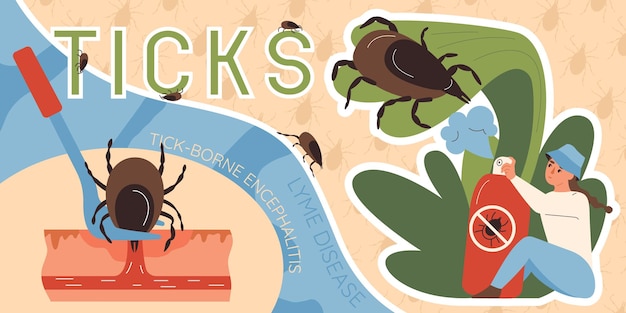
Ticks are trickier to detect because they attach themselves directly to the skin, usually in hidden spots like behind the ears, between the toes, or under collars. Warning signs for ticks include small lumps that feel unusual when you pet your dog or cat, as well as redness or swelling at the attachment site. Some pets may show no signs at all, making routine checks especially important during the spring.
If your pet seems unusually uncomfortable, restless, or develops any of these symptoms, it’s a good idea to inspect them carefully and contact your veterinary team for guidance. Early intervention is key to preventing more serious issues.
Why March in Birmingham Means Increased Flea and Tick Risks
Birmingham’s climate in March is mild, with plenty of rainfall and rising temperatures. These conditions create the perfect environment for fleas and ticks to thrive. Flea eggs and larvae flourish in moist, shaded areas such as grass, leaf litter, or under porches. When the weather warms, dormant flea pupae hatch, and adults seek out hosts like dogs and cats.
Ticks, including the common American dog tick and brown dog tick found in Alabama, become active whenever temperatures climb above freezing. As pets spend more time outdoors during spring walks, playtime, or in backyards, their risk of exposure increases. Even indoor cats are not immune; fleas can hitch a ride indoors on shoes, clothing, or other pets.
Because fleas and ticks reproduce rapidly, a small problem in March can quickly escalate into a larger infestation by late spring or early summer. Understanding this seasonal cycle helps pet owners in Birmingham and surrounding communities take timely action.
How Our Veterinary Team Treats and Manages Flea and Tick Infestations
When your pet is dealing with fleas or ticks, prompt and effective treatment is essential to relieve discomfort and prevent complications. At Double Oak Mountain Animal Hospital, our approach begins with a thorough examination to assess the extent of infestation and check for associated problems such as skin infections or allergic reactions.
Treatment options for fleas typically involve prescription topical medications, oral preventives, or medicated shampoos designed to kill adult fleas and disrupt the life cycle. For ticks, our veterinarians may recommend safe removal techniques, followed by preventive treatments to avoid re-infestation. In some cases, pets with severe itching or secondary infections may need additional therapies, such as antibiotics or anti-itch medications.
Fleas and ticks can also transmit diseases, so our veterinary professionals may suggest diagnostic testing if your pet shows signs of illness. Our in-house diagnostic laboratory allows us to quickly evaluate your pet’s health and tailor treatment plans to their individual needs.
Throughout the process, we focus on both immediate relief and long-term management, providing guidance on treating your home and environment to break the cycle of infestation.
Preventing Fleas and Ticks: Home Care and Professional Guidance
Prevention is always preferable to treatment when it comes to fleas and ticks. There are several practical steps pet owners in Birmingham can take to minimize risk and keep pets comfortable as spring arrives.
Regular use of veterinary-approved flea and tick preventives is the cornerstone of protection. These products, available in topical, oral, or collar forms, are designed for monthly use and should be administered year-round, not just in the summer months. Our veterinarians can help you select the safest and most effective option based on your pet’s health, age, and lifestyle.
Maintaining a clean home environment is equally important. Strategies include frequent vacuuming of carpets, furniture, and pet bedding, as well as washing your pet’s belongings in hot water. Keeping your yard tidy by mowing grass, removing leaf litter, and trimming shrubs helps reduce tick habitats.
For pets with a history of allergies, flea bites can trigger itchy skin and discomfort. If your dog or cat is especially sensitive, our team may recommend pet allergy testing to identify underlying issues and develop a customized prevention plan.
Routine veterinary visits are another key component of prevention. During a wellness examination, our team will check your pet for early signs of parasites, review your prevention strategy, and answer any questions about seasonal risks.
When to Seek Veterinary Care for Fleas and Ticks
While some mild flea problems can be managed at home with preventive products, certain situations call for professional evaluation. You should contact our veterinary team promptly if you notice signs such as severe scratching, open sores, areas of hair loss, pale gums, or lethargy. These may indicate a more significant infestation, allergic reaction, or even an underlying disease transmitted by fleas or ticks.
Ticks should always be removed as soon as possible, ideally by a veterinary professional. If you find a tick and are uncomfortable removing it, or if your pet develops signs of illness like fever, joint pain, or loss of appetite after a tick bite, veterinary attention is essential.
Puppies, kittens, elderly pets, or those with chronic health conditions are especially vulnerable to complications from parasites. In these cases, early intervention can prevent serious outcomes and support quicker recovery.
If you suspect your pet has brought fleas or ticks into your home, or if you are unsure about the best prevention strategy, scheduling an appointment with our veterinary professionals is the safest course of action. Double Oak Mountain Animal Hospital is dedicated to helping pets in Birmingham and surrounding communities stay protected all year long.
Keeping Your Pet Safe: Take Action Against Fleas and Ticks This Spring
As March ushers in springtime throughout Birmingham, protecting your pet from fleas and ticks should be a top priority. Watching for early signs, using consistent prevention methods, and partnering with a trusted veterinary team can make all the difference in your pet’s comfort and well-being. If you have questions about your current prevention plan, notice unusual symptoms, or simply want reassurance that your pet is protected, we invite you to schedule a wellness examination with our experienced veterinarians.
When searching for a reliable "vet near me," Double Oak Mountain Animal Hospital stands ready to provide compassionate, comprehensive care for your dog or cat. Our team is happy to answer your questions, recommend personalized prevention strategies, and support your pet’s health every step of the way.
To schedule an appointment or discuss flea and tick prevention for your pet, call us at (205) 991-5446 or visit us at 5490 Highway 280 East, Birmingham, AL 35242. You can also learn more about our wellness examination services and pet allergy testing by visiting our website.
Your pet’s health and happiness are our top priorities. Let us help you enjoy a flea- and tick-free spring together.
This blog is intended for educational purposes only and should not replace professional veterinary advice. Always consult your veterinarian for specific recommendations regarding your pet’s health.