Protect Your Pet From Spring Hazards in Birmingham

Protect Your Pet From Spring Hazards in Birmingham
As the days grow warmer and springtime arrives in Birmingham, many pet owners look forward to spending more time outdoors with their dogs and cats. While the season brings blooming flowers and fresh air, it also introduces a variety of hazards that can affect your pet’s health. From garden toxins and increased insect activity to higher pollen counts and sun exposure, spring presents unique challenges for local pets. At Double Oak Mountain Animal Hospital, our veterinary team is dedicated to helping families in Birmingham and surrounding communities keep their pets safe and healthy throughout the season. In this guide, we will explore the most common spring hazards in our region, offer practical prevention tips, and explain how our services can support your pet’s wellbeing. Whether you are preparing your garden, heading to the park, or simply enjoying the fresh air, understanding these risks is the first step to a safe and happy spring for your furry companion.
Recognizing Spring Hazards: What Pet Owners Should Watch For
Spring can be a wonderful time for pets, but it also brings increased risks that pet owners may not anticipate. Many local families report seeing their pets develop symptoms like persistent itching, sudden vomiting, diarrhea, or swelling after spending time outdoors. Other warning signs include increased sneezing, watery eyes, excessive paw licking, or lethargy—especially after walks in grassy or wooded areas. Some pets may even show signs of pain, limping, or discomfort if they come into contact with sharp objects or stinging insects. If your pet is suddenly less active, uninterested in food, or seems unusually anxious after being outside, it could be a reaction to a seasonal hazard. Awareness of these symptoms can help you intervene quickly and seek veterinary care when needed.
Why Spring in Birmingham Poses Extra Risks
Birmingham’s spring season is marked by rapid plant growth, increased rainfall, and a surge in insect populations. These changes create ideal conditions for both native and introduced hazards. Garden and yard chemicals, such as fertilizers, pesticides, and herbicides, often become more prevalent as residents prepare their lawns for the warmer months. Many plants that flourish in Alabama during spring, including azaleas, lilies, and sago palms, are toxic to pets if ingested. Additionally, the region’s mild temperatures and humidity encourage tick, flea, and mosquito activity, increasing the risk of bites, allergic reactions, and diseases like heartworm. Pollen counts also rise, triggering allergies in sensitive dogs and cats. Finally, as the days lengthen, pets may be exposed to more sunlight, raising concerns about sunburn and heatstroke, especially for light-colored or short-haired breeds. Being aware of these seasonal factors can help you better protect your pet during springtime adventures.
Managing Spring Hazards: Treatment and Veterinary Support
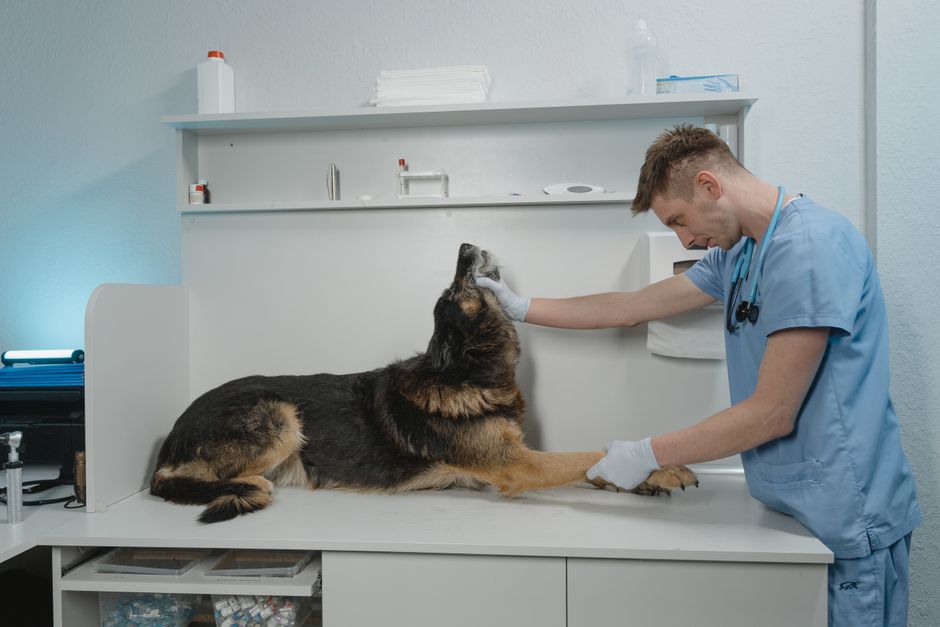
When a pet encounters a spring hazard, prompt action is essential. If you notice symptoms like vomiting, diarrhea, swelling, or difficulty breathing, contact your veterinarian right away. Our veterinary team at Double Oak Mountain Animal Hospital is equipped to diagnose and treat a wide range of spring-related concerns. For example, if your pet develops a sudden allergy, we may recommend allergy testing for pets to identify triggers and create a customized management plan. In cases of suspected poisoning, our diagnostic laboratory allows for rapid assessment and targeted treatment, improving outcomes. Insect stings or bites may require antihistamines, wound care, or even emergency intervention if severe reactions occur. For pets suffering from pollen allergies, we can suggest medications or topical treatments to ease discomfort. If your pet is at risk for heartworm or tick-borne illnesses, our team offers comprehensive preventive care, including testing and appropriate medication. We also provide guidance on safe gardening practices and can address any concerns related to sun exposure or dehydration.
Preventing Spring Hazards: Steps to Keep Your Pet Safe
Pet owners play a vital role in minimizing spring hazards. Begin by ensuring your yard is free of toxic plants and that any fertilizers or pesticides are pet-safe and stored securely. When walking your dog or letting your cat outdoors, supervise closely and discourage chewing on unknown plants or debris. Flea, tick, and heartworm prevention is crucial in Birmingham’s climate; consistent use of veterinarian-approved products can make a significant difference. Regular grooming and bathing help remove pollen and outdoor irritants from your pet’s coat, reducing the risk of skin and respiratory allergies. Providing shaded areas and fresh water outdoors helps prevent overheating, especially during midday hours. Scheduling a wellness examination each spring allows our veterinarians to assess your pet’s overall health, update vaccinations, and review your prevention plan. By staying proactive, you can help your pet enjoy the best of spring without unnecessary risks.
When to Seek Veterinary Care for Spring Hazards
Not every sneeze or scratch requires a trip to the veterinarian, but certain signs mean it’s time to act. Seek immediate care if your pet experiences persistent vomiting, diarrhea, difficulty breathing, sudden swelling (especially of the face or paws), collapse, or severe lethargy after exposure to plants, insects, or outdoor chemicals. Ingestion of any toxic substance, such as garden products or poisonous plants, warrants a call to our veterinary professionals without delay. If your pet develops ongoing skin irritation, frequent ear infections, or respiratory symptoms that do not resolve with home care, schedule an appointment for evaluation. Our team can provide the necessary diagnostics and treatments to address the underlying issue and prevent complications. If your pet is due for preventive services, such as vaccination services or parasite screening, these visits are a perfect opportunity to discuss seasonal hazards with our Birmingham veterinarians.
Keeping Your Pet Safe: Springtime Care at Double Oak Mountain Animal Hospital
Spring in Birmingham brings both beauty and hidden dangers for local pets. By learning to recognize common hazards and taking preventive steps, you can help your dog or cat thrive during this vibrant season. At Double Oak Mountain Animal Hospital, our veterinary team is always here to support your pet’s health, whether you need advice on safe yard care, help managing allergies, or urgent attention for a spring-related emergency. If you have questions about spring hazards or would like to schedule a comprehensive exam, call us at (205) 991-5446 or visit our location at 5490 Highway 280 East, Birmingham, AL 35242. When searching for a veterinarian near me, our team is proud to serve Birmingham and surrounding communities with the highest quality care. Together, we can ensure your pet enjoys a healthy, happy spring for years to come.
This information is intended for educational purposes only and should not replace professional veterinary advice. If your pet is experiencing any symptoms described above, please contact our veterinary team for personalized guidance and care.