How to Keep Your Pet’s Teeth Healthy This February
How to Keep Your Pet’s Teeth Healthy This February
As the winter months settle into Birmingham and the surrounding communities, it’s easy to focus on keeping your pet warm and cozy. Yet, February is also National Pet Dental Health Month, making this the perfect time to address one of the most overlooked aspects of pet wellness: dental care. At Double Oak Mountain Animal Hospital, located conveniently at 5490 Highway 280 East, Birmingham, AL 35242, our veterinary team is passionate about helping pets in Birmingham and nearby areas maintain healthy, pain-free smiles.
In this post, we’ll guide you through the key signs of dental disease in pets, explain why dental problems are more common than many realize, and offer practical, veterinarian-approved tips for keeping your dog or cat’s teeth clean at home—especially during Birmingham’s cool and sometimes rainy February. We’ll also highlight when it’s time to schedule a professional cleaning and how our comprehensive dental services, like pet dental cleanings, can make a lasting difference for your furry family member.
Recognizing Dental Problems in Dogs and Cats
Dental disease is one of the most common health issues affecting pets, yet it often goes unnoticed until advanced stages. Many pet owners don’t realize their dog or cat is suffering because animals are experts at hiding discomfort. Recognizing early warning signs can help you address problems before they cause real pain or more serious health complications.
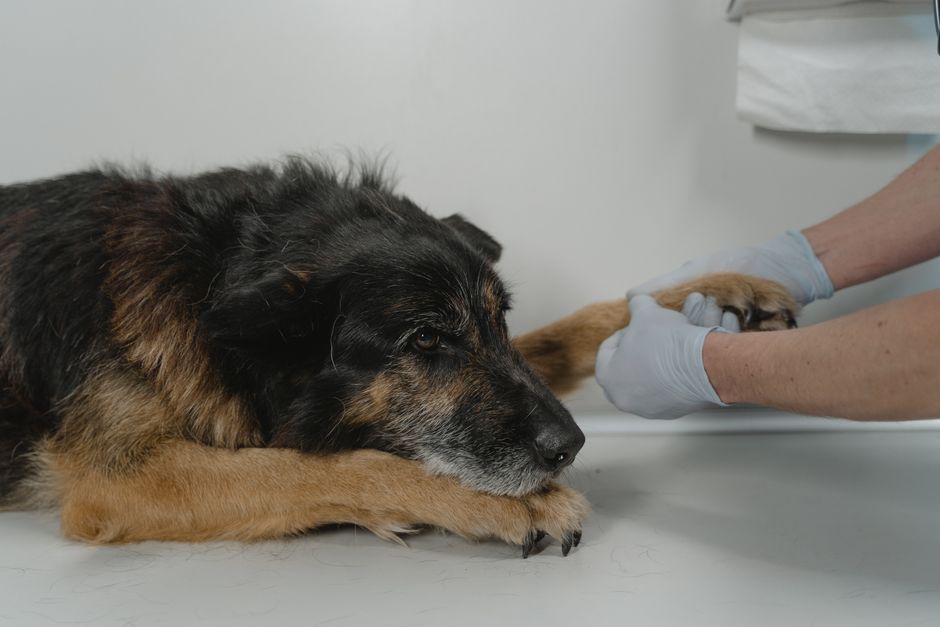
Symptoms of dental disease in pets include persistent bad breath that lingers even after a bath, visible tartar or brown-yellow buildup on teeth, red or bleeding gums, and difficulty chewing food. Other signs to watch for are drooling more than usual, pawing at the mouth, dropping food while eating, or even a sudden preference for softer foods. In some cases, pets may develop swelling under the eyes or along the jaw, which can indicate a tooth root abscess. Pet owners often notice their pet becomes less playful or irritable, as chronic oral pain can affect mood and behavior.
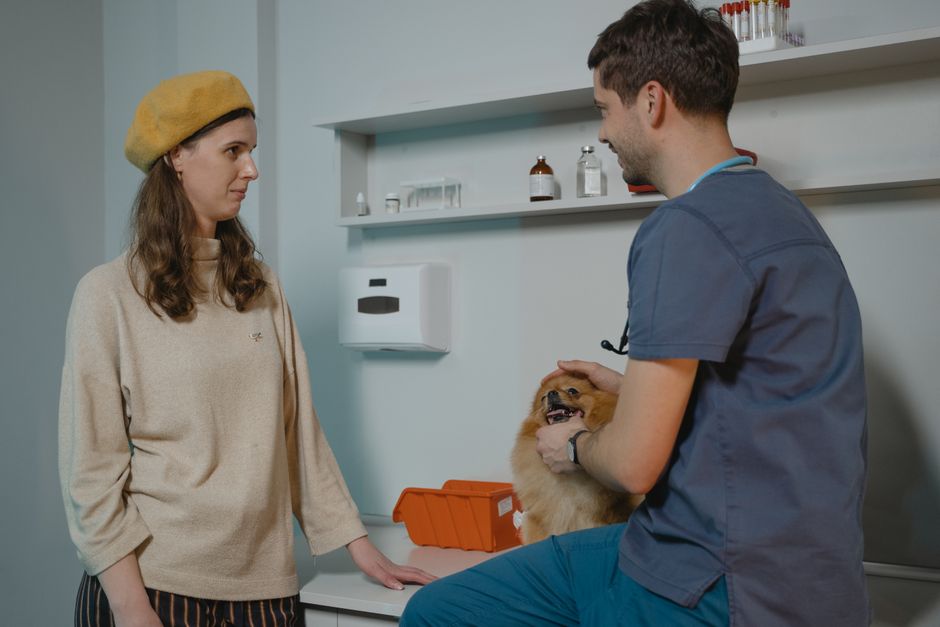
If you notice any of these changes in your pet, it’s important to consult with our veterinary team at Double Oak Mountain Animal Hospital. Early intervention can prevent further discomfort and reduce the risk of more serious health issues.
Understanding the Causes of Pet Dental Disease
Dental disease in pets generally begins with the same factors that affect humans: plaque and tartar buildup. When food particles and bacteria accumulate along the gumline, they form a sticky film called plaque. If not removed by regular brushing or dental care, this plaque hardens into tartar which can’t be removed by simple brushing. Over time, tartar pushes under the gumline, leading to inflammation known as gingivitis.
Birmingham’s cool, wet winters can influence your pet’s dental health in subtle ways. Pets may spend more time indoors, and some owners may adjust food treats during the colder months, increasing the risk of sticky, high-calorie snacks that cling to teeth. Additionally, pets may be less active and less likely to chew on toys that help mechanically clean their teeth. All these factors can accelerate the buildup of plaque and tartar.
Breed, age, and underlying health conditions also play a role. Small breeds and older pets are especially prone to dental issues, as are pets with immune system challenges or certain chronic diseases. Understanding these risk factors can help you stay vigilant and proactive about your pet’s oral health.
Professional Pet Dental Care: What to Expect
While at-home care is essential, most pets will need professional dental cleanings at some point in their lives to maintain optimal oral health. A thorough cleaning under anesthesia allows our veterinarians to remove tartar both above and below the gumline, where bacteria can cause significant inflammation and damage. During this procedure, we perform a detailed oral examination, scale and polish each tooth, and can address any problem spots before they become more serious.
At Double Oak Mountain Animal Hospital, we use advanced equipment and techniques to ensure your pet’s safety and comfort. Our pet dental cleaning services provide a deep clean that simply isn’t possible with brushing alone. For pets with more advanced dental issues, we may recommend additional diagnostics—such as dental radiography—to assess the health of tooth roots and jawbones.
Sometimes, pets require more intensive treatment, including pet tooth extractions or oral surgery, to address painful infections or damaged teeth. Our veterinary professionals are experienced in performing these procedures with the utmost care and compassion, ensuring your pet’s swift recovery and ongoing comfort.
Home Dental Care Tips for Birmingham Pets
Consistent home care can make a significant difference in your pet’s dental health, helping to delay or reduce the need for professional intervention. While February’s rainy days might mean more time indoors, it also offers a wonderful opportunity to establish new dental care habits for your pet.
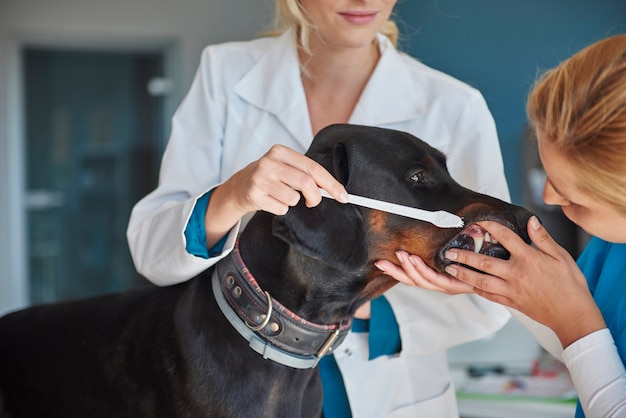
Daily or at least several-times-weekly brushing is the gold standard for preventing plaque buildup. Use a pet-specific toothbrush and toothpaste; never use human toothpaste, as some ingredients can be toxic to pets. Start slowly, allowing your dog or cat to get used to the taste and sensation of brushing, and reward them with praise or a small treat after each session.
Dental diets and chews approved by the Veterinary Oral Health Council (VOHC) can also help reduce tartar. Look for products that have been independently tested for effectiveness. Chew toys designed to clean teeth mechanically are another great option, especially for dogs that love to gnaw.
Regularly inspecting your pet’s mouth at home can help you spot changes early. Lift their lips and look for redness, swelling, or unusual growths. If your pet resists having their mouth touched, or if you notice discomfort during home care, it’s time to reach out to your veterinarian.
When to Seek Veterinary Dental Care
Even with diligent home care, some pets will develop dental issues that require professional attention. You should schedule an appointment with our veterinary team if you notice persistent bad breath, changes in eating habits, bleeding gums, loose or missing teeth, or any swelling around the mouth or jaw. In some cases, untreated dental problems can lead to infections that spread to the heart, liver, or kidneys, making prompt treatment essential.
Routine dental exams are recommended as part of every pet’s preventive care plan. During your visit, our veterinarians will assess your pet’s oral health and recommend the best plan for cleanings, radiographs, or other treatments as needed. If you have questions about your pet’s specific needs, our team is always happy to provide guidance and support.
If your pet is showing signs of acute pain, such as refusing to eat, crying out when touched near the mouth, or developing sudden facial swelling, seek veterinary care as soon as possible. These symptoms may indicate a serious infection or abscess that needs immediate treatment.
Keeping Your Pet’s Smile Bright This Winter
Prioritizing your dog or cat’s dental health this February is one of the kindest things you can do to ensure a long, happy life together. By learning to recognize the signs of dental disease, understanding what causes these problems, and practicing regular at-home care, you can help prevent painful conditions before they start. And when professional help is needed, Double Oak Mountain Animal Hospital is here to provide comprehensive, compassionate care for pets in Birmingham and surrounding communities.
If you’re searching for a veterinarian near me who can help with every aspect of your pet’s dental health, our experienced veterinary team is ready to partner with you. Schedule a dental exam or cleaning by calling (205) 991-5446 or visit us at 5490 Highway 280 East, Birmingham, AL 35242. To learn more about our dental services, including pet dental cleanings, dental radiography, and pet tooth extractions, please explore our website or reach out to our veterinary professionals any time. We look forward to helping your pet enjoy a healthy, comfortable smile all year round.
This article is intended for informational purposes only and should not replace professional veterinary advice. If you have concerns about your pet’s oral health, please consult your veterinarian directly.