How To Help Your Dog Or Cat With Summer Allergies

How To Help Your Dog Or Cat With Summer Allergies
Summer in Birmingham, AL brings plenty of sunshine, but it also ushers in high pollen counts and muggy humidity that can trigger allergy symptoms in dogs and cats. If you’ve noticed your pet scratching more than usual, sneezing, or dealing with red, itchy skin, you’re not alone. Seasonal allergies are a common concern for pet owners in Birmingham and surrounding communities during June and throughout the warmer months. At Double Oak Mountain Animal Hospital, our team understands how frustrating and uncomfortable allergies can be for both you and your pet. In this article, we’ll guide you through the signs of summer allergies in dogs and cats, discuss the most common triggers in Alabama, and share practical steps you can take at home to help your pet find relief. We’ll also explain when it’s time to schedule an appointment with our veterinarians and what to expect from allergy care at our Birmingham veterinary hospital.
Recognizing the Signs: Is Your Dog or Cat Suffering from Summer Allergies?
Summer allergies in pets often present differently than they do in people. While sneezing and watery eyes can occur, skin problems are far more common in dogs and cats. If your pet is constantly licking their paws, scratching at their ears, or developing red, irritated skin, allergies might be the culprit. Other symptoms include frequent head shaking, hair loss in patches, scabs or hot spots on the skin, and in some cases, recurring ear infections. Cats may also exhibit excessive grooming, leading to bald spots or rough, unkempt fur. Occasionally, you might notice respiratory signs such as sneezing or nasal discharge, especially if your pet is particularly sensitive to airborne allergens.
It’s important to pay attention to when these symptoms flare up. If you notice your dog or cat becomes more uncomfortable after spending time outdoors, or if their symptoms seem to worsen during the late spring and summer, seasonal allergies are likely playing a role. Allergies can also make existing skin conditions worse, so even mild signs warrant attention.
What Causes Summer Allergies in Birmingham Pets?
Allergies in dogs and cats, especially during Birmingham’s hot and humid summers, are typically triggered by environmental factors. Pollen from grasses, weeds, and trees is one of the most common culprits. Our local climate encourages a wide variety of plants to bloom and release pollen throughout the summer, making it almost impossible for pets to avoid exposure entirely.
In addition to pollen, mold spores thrive in Alabama’s humidity, especially in shaded, damp areas of your yard or local parks. Dust mites inside the home can also contribute to allergy symptoms, and pets may be sensitive to flea saliva, which can cause intense itching even after a single bite. Many pets develop allergies to multiple environmental triggers, and some may also have food sensitivities that become more noticeable when their immune system is already working overtime.
Certain breeds, such as Bulldogs, French Bulldogs, Golden Retrievers, and Siamese cats, may be more prone to allergies due to genetic factors. However, any dog or cat can develop allergies at any age. If your pet’s symptoms seem to come and go with the seasons, environmental allergies are a likely explanation.
How Our Veterinary Team Diagnoses and Treats Summer Allergies
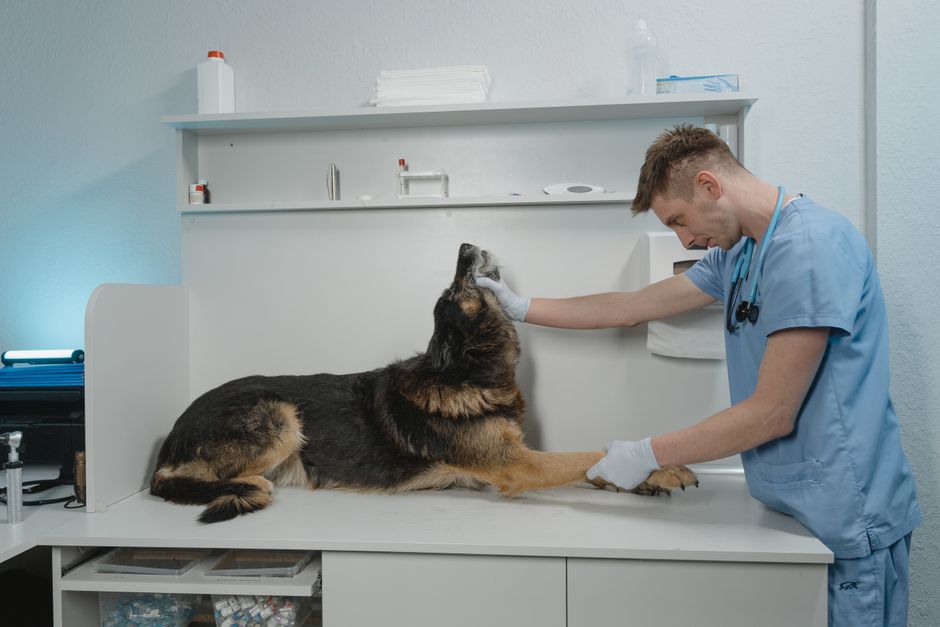
When you bring your dog or cat to Double Oak Mountain Animal Hospital for allergy concerns, our veterinarians begin with a thorough examination and detailed discussion of your pet’s history. We ask about when symptoms started, how often they occur, and whether you’ve noticed any patterns related to time outdoors or changes in your pet’s environment.
Diagnosing allergies in pets can be a process of elimination. We may recommend skin scrapings, cytology, or fungal cultures to rule out infections or parasites. In some cases, blood tests or intradermal skin testing may be helpful to identify specific allergens. Once we determine that allergies are likely, we’ll work with you to develop a personalized treatment plan that keeps your pet as comfortable as possible throughout the summer.
Treatment Approaches for Allergic Pets
Managing allergies in dogs and cats typically involves a combination of strategies, tailored to your pet’s specific needs. Antihistamines may be prescribed to help control itching in mild cases, although they are not always effective for every animal. For more severe or persistent symptoms, our veterinarians may recommend prescription medications such as corticosteroids or newer options like oclacitinib (Apoquel) or cytopoint injections for dogs. These treatments help reduce inflammation and provide relief from itching.
Topical therapies are another important aspect of allergy management. Medicated shampoos, sprays, and wipes can soothe irritated skin, remove allergens from the coat, and support healing of hot spots. For pets with recurring ear infections, special ear cleaners and medications may be necessary. In cases where food allergies are suspected, our team may advise a prescription elimination diet to identify and remove problem ingredients.
If flea allergies are part of the problem, strict flea prevention is essential. Our veterinarians can recommend safe, effective flea control products that suit your pet’s lifestyle and risk factors. For pets with severe or chronic allergies, allergy testing and immunotherapy (allergy shots) can help desensitize your pet to specific triggers over time.
Home Care Tips: Helping Your Pet Find Relief This Summer
While professional veterinary care is essential for managing moderate to severe allergies, there are several steps you can take at home to help your dog or cat stay comfortable during Birmingham’s allergy season. Start by wiping your pet’s paws and coat with a damp cloth after time spent outdoors. This helps remove pollen and other allergens before they can be absorbed through the skin or licked off during grooming.
Bathing your pet with a gentle, hypoallergenic shampoo can provide additional relief; however, be careful not to bathe too frequently, as this can dry out the skin. Vacuuming your home regularly, washing bedding in hot water, and using air purifiers can all help reduce indoor allergen levels. Keeping windows closed during peak pollen times may also make a difference.
For cats, consider providing enrichment indoors during high pollen days to minimize outdoor exposure. Dogs may benefit from walks during early morning or late evening hours when pollen counts are lower. If your veterinarian has recommended a special diet or medication, be sure to follow instructions closely and monitor your pet for any changes in symptoms.
Applying flea preventives year-round is especially important in our region, as fleas can thrive in warm, humid conditions. If you suspect mold may be contributing to your pet’s symptoms, try to address any damp areas around the home or yard, and avoid letting pets play in piles of leaves or mulch.
When to Seek Veterinary Care for Your Pet’s Allergies
While mild allergy symptoms can often be managed with home care, there are times when professional veterinary help is essential. If your dog or cat is scratching to the point of breaking the skin, developing raw or bleeding areas, or experiencing recurrent ear infections, it’s important to schedule an appointment with our veterinary team. Other signs that warrant prompt attention include swelling of the face or paws, difficulty breathing, sudden hair loss, or dramatic changes in behavior such as lethargy or loss of appetite.
Allergies can sometimes lead to secondary bacterial or yeast infections, which require prescription medications to resolve. Pets with persistent or severe allergies may need advanced diagnostics and long-term management strategies. Our veterinarians can help you find the safest and most effective solutions for your pet, ensuring their comfort and wellbeing throughout the summer and beyond.
If you’re ever unsure whether your pet’s symptoms require veterinary attention, it’s always better to reach out for guidance. Our experienced team in Birmingham is here to answer your questions, provide support, and help your pet get the relief they deserve.
Keeping Your Pet Comfortable: Partnering with Your Local Veterinarian
Summer allergies are a common challenge for dogs and cats in Birmingham, but with a combination of professional care and thoughtful home management, your pet can enjoy the season in comfort. By learning to recognize the signs of allergies, minimizing exposure to common triggers, and working closely with our veterinary team, you can help your pet find lasting relief.
If your dog or cat is struggling with itching, skin irritation, or other allergy symptoms this summer, don’t wait for things to worsen. Schedule an appointment at Double Oak Mountain Animal Hospital for a thorough evaluation and personalized treatment plan. Our veterinarians are committed to providing compassionate, comprehensive care to pets throughout Birmingham and surrounding communities.
For more information, or to book a visit, call our team at (205) 991-5446 or visit us at our convenient Birmingham, AL location. If you are searching for a veterinarian near me who understands the unique challenges of Alabama’s summer allergy season, Double Oak Mountain Animal Hospital is here to help your pet feel their best—every month of the year.
This article is for informational purposes only and does not replace professional veterinary advice. Always consult with your veterinarian for guidance tailored to your pet’s individual needs.